
Choosing the Right Reflective Safety Vest for Your Workforce: A Complete Guide to Reflective Safety Vests
1. Introduction to Reflective Safety Vests
In today’s fast-paced work environments, ensuring employee safety is paramount. Among the most critical components of workplace safety gear is the reflective safety vest. This essential piece of equipment plays a vital role in enhancing visibility, particularly in low-light conditions or high-traffic areas. By providing a clear visual signal to others, reflective safety vests significantly reduce the risk of accidents and injuries.
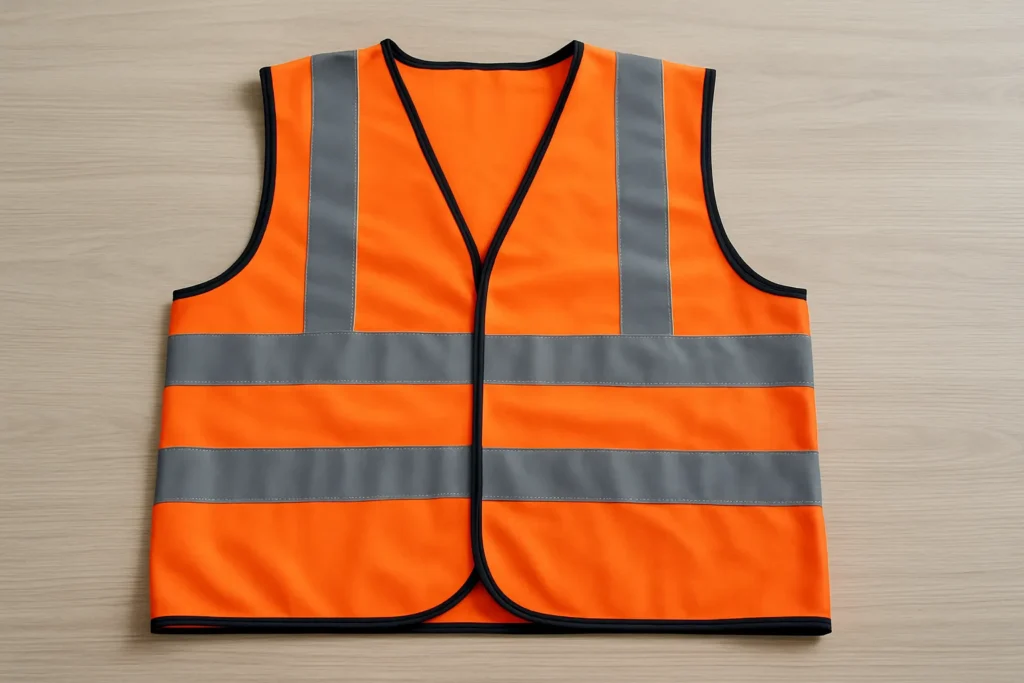
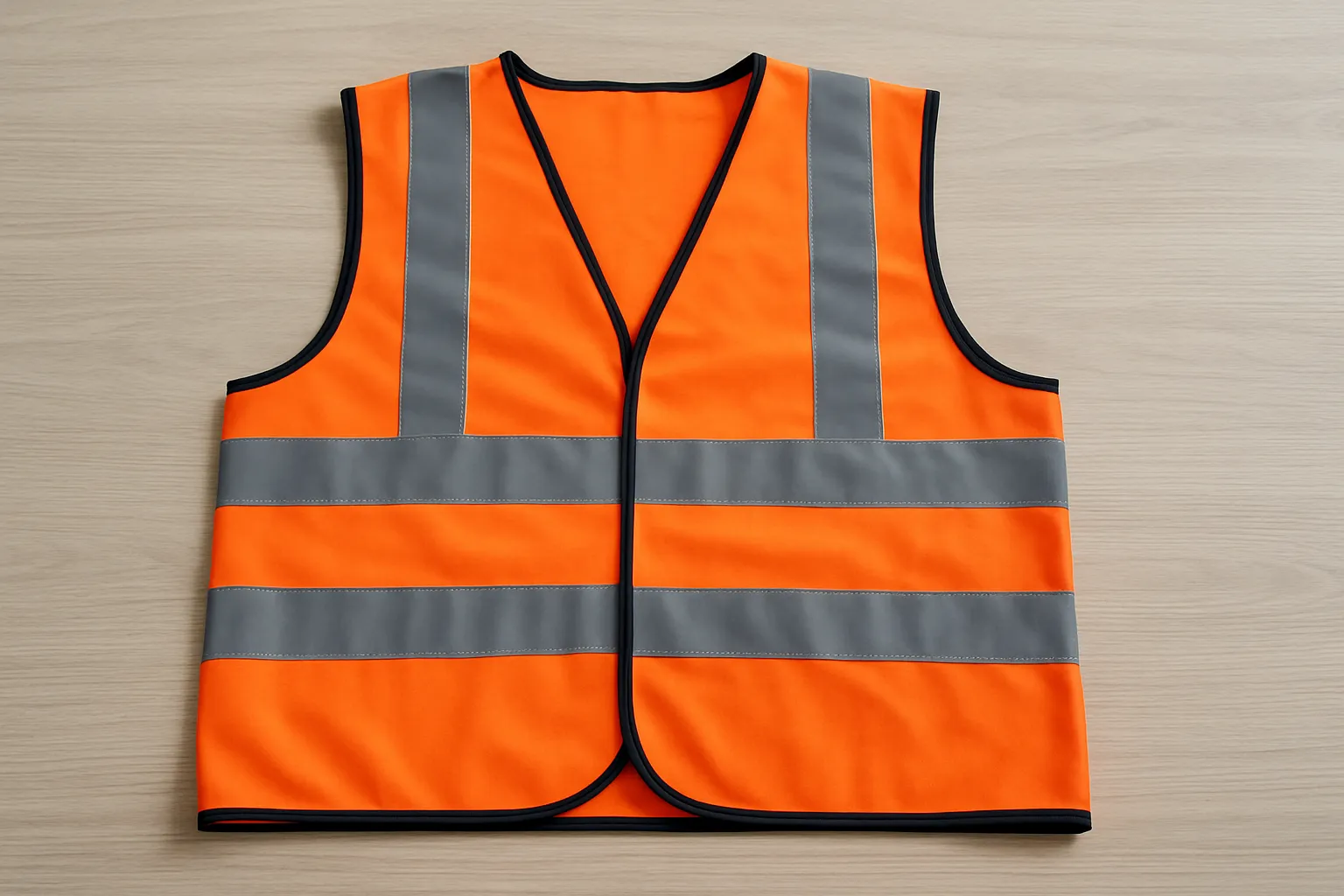
Reflective safety vests are designed to be worn over regular clothing, making them an easy addition to any worker’s gear. These vests are constructed from bright, fluorescent materials combined with reflective strips that catch the light, ensuring that workers are easily seen by colleagues, drivers, and other personnel. As safety regulations become increasingly stringent, understanding the specifications and proper use of safety reflective gear is more important than ever.
2. Specifications of Reflective Safety Vests
When selecting a reflective safety vest for your workforce, several specifications need to be considered to ensure maximum protection and compliance with safety standards.
Material and Durability
Reflective safety vests are typically made from lightweight, breathable materials like polyester or nylon. These materials not only provide comfort but also durability, ensuring that the vests can withstand the rigors of everyday use in various work environments. Look for vests that are tear-resistant and can endure exposure to harsh weather conditions, as this will prolong the lifespan of the gear.
Visibility Standards and Certifications
Safety reflective gear must meet specific visibility standards to be effective. In the United States, the ANSI/ISEA 107 standard outlines the requirements for high-visibility apparel, including reflective vests. These vests are classified into different classes based on their visibility levels, which are crucial for workers in environments with vehicular traffic or low visibility. Always check for certifications to ensure compliance with local regulations.
Size and Fit Considerations
A proper fit is essential for the effectiveness of reflective safety vests. Vests should be available in a range of sizes to accommodate all employees comfortably. An ill-fitting vest can hinder mobility and reduce the visibility that the reflective materials are designed to provide. It’s advisable to allow employees to try on vests before purchasing to ensure they can move freely while being adequately protected.
3. Use Cases for Reflective Safety Vests
Reflective safety vests are versatile and can be used across various industries. Understanding the specific use cases can help in selecting the right vest for your workforce.
Construction and Road Work
In construction sites and road work, workers are often exposed to heavy machinery and vehicular traffic. Reflective safety vests are essential in these environments, as they enhance visibility and alert drivers to the presence of workers on-site. The vests should meet higher visibility standards due to the nature of the work.
Emergency Services and First Responders
First responders, including police, firefighters, and paramedics, often operate in chaotic environments where visibility is crucial. Reflective safety vests help them stand out, ensuring their safety while they assist the public. These vests may have additional features such as pockets for equipment and identification badges.
Warehouse and Logistics Operations
In warehouses and logistics operations, employees are frequently moving in and out of areas with heavy machinery and transportation vehicles. Reflective safety vests are important for keeping workers visible to forklift operators and truck drivers, thus minimizing the risk of accidents in busy settings.
4. Comparing Different Types of Reflective Safety Vests
When choosing reflective safety vests, it’s important to understand the different classifications and types available.
Classifications of Safety Vests
Reflective safety vests are classified into three main classes based on their visibility and intended use:
- Class 1: Suitable for environments with low traffic, typically used in parking lots or warehouses.
- Class 2: Designed for workers in environments with moderate traffic, such as roadside work or construction sites.
- Class 3: Offers the highest level of visibility and is intended for high-risk situations where workers are exposed to high-speed traffic.
Pros and Cons of Each Type
Each class has its advantages and disadvantages. Class 1 vests are lightweight and cost-effective but may not provide adequate visibility in high-traffic areas. Class 2 vests offer a balance of visibility and comfort, making them suitable for general construction work. Class 3 vests, while the most visible, can be bulkier and may restrict movement slightly, which is a consideration for workers needing flexibility.
Cost Comparisons
Cost can vary significantly based on the class and features of the vest. Class 1 vests are typically the most affordable, while Class 3 vests may be more expensive due to their enhanced materials and features. When budgeting for reflective safety gear, consider the long-term benefits of investing in higher-quality vests that ensure employee safety.
5. Sourcing Reflective Safety Vests
Finding reliable suppliers for reflective safety vests is crucial for ensuring quality and compliance.
Identifying Reliable Suppliers
Start by researching suppliers who specialize in safety gear and have a reputation for quality. Look for suppliers who provide detailed product specifications, including compliance with safety standards. Reading customer reviews and testimonials can also provide insights into the reliability of the supplier.
Bulk Purchase Considerations
Purchasing reflective safety vests in bulk can lead to significant cost savings. Many suppliers offer discounts for bulk orders, which can be beneficial for larger workforces. Additionally, bulk purchasing ensures that all employees have the same standard of gear, promoting uniformity and compliance.
Evaluating Supplier Credentials
Before finalizing a purchase, evaluate the supplier’s credentials. Ensure they can provide documentation of the vests’ compliance with safety standards and certifications. A reputable supplier should also offer return policies and customer support to address any concerns post-purchase.
6. Implementing Reflective Safety Vests in the Workplace
Once reflective safety vests are sourced, proper implementation is key to maximizing their effectiveness.
Training Employees on Proper Use
Training is essential to ensure that employees understand the importance of wearing reflective safety vests. Conduct workshops or training sessions to educate staff on the proper use and maintenance of the vests. Emphasize the role of visibility in preventing accidents and encourage a culture of safety.
Maintenance and Care Guidelines
To prolong the life of reflective safety vests, establish maintenance and care guidelines. This includes regular inspections for wear and tear, proper washing instructions, and guidelines for storing the vests when not in use. Well-maintained vests retain their reflective properties and continue to provide safety.
Monitoring Compliance and Effectiveness
Monitoring compliance with the use of reflective safety vests is vital. Conduct regular checks to ensure all employees are wearing their vests as required. Additionally, gather feedback on the effectiveness of the vests in improving visibility and safety on the job site.
7. Frequently Asked Questions
Common Concerns About Reflective Safety Vests
Many organizations may have concerns regarding the comfort and practicality of reflective safety vests. Employees might worry about the vests being too hot or restrictive. Address these concerns by selecting breathable materials and ensuring the vests are fitted correctly.
Clarifications on Regulations and Standards
Understanding local regulations regarding reflective safety gear is essential. Safety standards can vary by region and industry, so it’s important to stay informed about the specific requirements that apply to your workforce.
Tips for Selecting the Right Vest
When selecting reflective safety vests, consider the specific needs of your workforce. Evaluate the work environment, the level of traffic exposure, and the comfort requirements of your employees. Always prioritize safety and compliance with regulations to ensure the best protection.
Conclusion
Choosing the right reflective safety vest for your workforce is a critical decision that impacts employee safety and compliance with regulations. By understanding the specifications, use cases, and sourcing options, organizations can make informed choices that enhance visibility and reduce the risk of accidents. With proper implementation and training, reflective safety gear can significantly contribute to a safer work environment.