
LB-V17 Collar RFQs: Scope the Sponge Declaration
What should buyers confirm about the LB-V17 collar?
Ask the supplier to identify the component covered by its collar-with-sponge description, explain the scope of any material statement, and connect that answer to the exact sample and quotation. Keep the component reference and the commercial offer together. A short catalogue phrase helps a buyer frame the enquiry, but it does not provide a complete specification for an internal material or establish the construction of every garment offered under a model name.
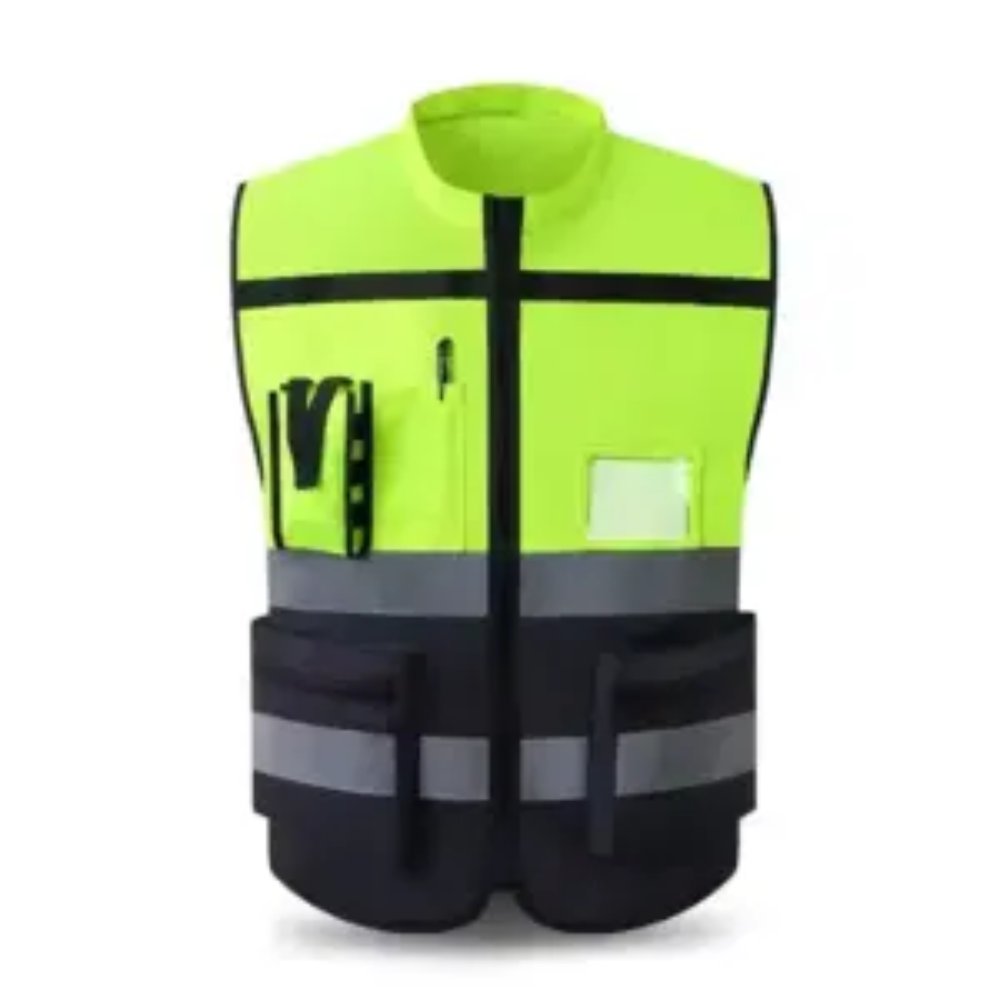
The LB-V17 product page includes the wording ‘Collar with sponge.’ Treat this as the supplier’s description to clarify. The catalogue also provides a garment appearance reference. Neither that phrase nor the front view identifies a particular polymer, padding grade or verified protective function. The purchasing task is to obtain a precise supplier response, rather than filling those gaps from assumptions.
Official supplier LB-V17 catalogue reference. The image identifies appearance; component specifications and care instructions require supplier confirmation.
Name the component before requesting its material
Begin with a reference image or supplier drawing of the offered garment. Ask the supplier to mark the location to which its description applies. The response should make clear whether the named material concerns an internal element, a surrounding textile or another identified part. Do not create your own construction description and ask the supplier only to approve it; an incorrect starting assumption can survive an otherwise detailed exchange.
A useful response connects the marked location with the supplier’s own component name or reference. If the supplier uses different terms in the quotation and specification, ask it to explain the relationship. Keep the enquiry limited to the collar detail on the actual LB-V17 offer. A general factory description of collar materials across several products does not identify what is being quoted for this order.
Keep the declaration within its stated scope
When a supplier provides a material statement, ask which named component it covers and which reference supports it. A statement about the main fabric should not automatically be copied into a field for an internal collar element. Conversely, a description of one collar component should not become a composition statement for the entire garment. Record the scope in ordinary purchasing language so that the next person reviewing the order can understand it.
Ask the supplier to state any specification that it actually offers for the identified component. If a material designation, thickness or other parameter is important to your purchase, request the supplier’s confirmed value and applicable unit. Leave an unanswered field open. Do not turn a blank field into an assumed foam type or claim that a soft-looking collar establishes a particular material or comfort result.
Official supplier LB-V17 catalogue reference. The image identifies appearance; component specifications and care instructions require supplier confirmation.
Buying field
Requested supplier response
Catalogue reference
Confirm that the response concerns the LB-V17 version being quoted.
Component and location
Mark the part covered by the collar-with-sponge description.
Supplier designation
Provide the supplier’s component name or reference and explain alternate terms.
Material statement scope
Identify the component and specification covered by each supplied declaration.
Sample and revision
Connect the response to the actual offered sample and specification revision.
Quoted inclusion or alternative
Confirm the accepted reference in the quotation and identify any proposed change.
Link the answer to the offered sample
Use a sample identifier and a specification revision when recording the supplier’s clarification. The buyer should be able to connect the physical sample, the supplier’s marked component reference and the accepted offer. A labelled sample photograph can help preserve that connection, provided it identifies the actual version under discussion. It remains a reference record rather than evidence of hidden composition by itself.
If supporting component information is needed, ask what documentation or manufacturer-prepared reference the supplier can provide. Record what it supplies and what remains unconfirmed. Do not assume that a photograph of a different model explains the LB-V17 construction. Similarly, distinguish a catalogue illustration from an order-specific sample so that an attractive presentation does not silently become the accepted specification.
Carry the clarification into the quotation
Before accepting the offer, ask the supplier to identify the collar reference that belongs to the quoted garment version. The quotation can refer to an agreed specification or annex rather than repeating every technical field, but the references should agree. If the response proposes an alternative component, keep that proposal visible until the buyer has decided whether to accept it. Do not treat an alternative as an automatic equivalent.
Preserve the accepted reference for repeat enquiries. A repeat order should identify the earlier approved garment and collar specification, with any proposed change stated separately. This helps prevent a discussion about one sample from being applied to another production offer. The record does not promise that a component will remain available; it gives both parties a clear basis for confirming the next quotation.
Official supplier LB-V17 catalogue reference. The image identifies appearance; component specifications and care instructions require supplier confirmation.
Make unresolved information easy to act on
Return a short response table with the enquiry and invite the supplier to mark each field as confirmed, alternative proposed or information pending. This is easier to compare than several emails that use the same material word with different meanings. Where a missing detail matters to the purchasing decision, identify the information needed before that part of the specification can be accepted.
The Lanbei website provides the starting product reference; the supplier’s written response should establish the scope of the actual offer. Keep this collar enquiry separate from garment care instructions, performance evidence and other order requirements. A well-scoped component declaration answers the material-reference question without standing in for those other documents.
Keep the purchasing references together
The exact offered garment model and sample reference.
The supplier document identifier and applicable revision.
The accepted quotation and any separately identified change.
Example supplier request
Please clarify the collar-with-sponge description for the LB-V17 garment you are quoting. Mark the relevant component on your reference and provide its supplier designation. State which component any material declaration covers, and link your response to the offered sample and specification revision. Identify unavailable information and proposed alternatives separately. Please reference the accepted collar detail in your quotation; this enquiry does not approve an unspecified substitute or establish garment performance.
Buyer FAQ
Does ‘sponge’ identify a specific polymer?
The catalogue word alone does not identify a polymer or grade. Ask the supplier for the designation it actually uses for the named component and the scope of any supporting statement.
Can a front garment photograph confirm the internal material?
It can help identify the garment and the visible collar area. It does not, by itself, establish the composition or specification of an internal component.
Is the main-fabric statement enough for the collar enquiry?
Only if the supplier expressly states that its declaration covers the particular collar component being discussed. Ask for that scope rather than extending one component’s wording to another.
How should a supplier-proposed alternative be recorded?
Give it a separate reference and ask what differs from the original offer. Keep the proposed change separate from the accepted specification until the buyer has approved the quotation basis.
Does this clarification establish protective performance?
No. A component declaration identifies the offered material scope. Any required performance documentation needs its own applicable product and evidence references.
wholesale safety vestsB2B supplier sample record