
LB-V29 Orders: Approve the Folded-Pack Reference
Ask the supplier whether it can provide the proposed folding and individual-pack reference for the quoted LB-V29 vest. Request linked views of an identified sample unfolded, folded and in the proposed pack. Confirm the garment version and sample size those views represent. Use the supplier’s actual proposal for the review rather than creating folding instructions from the catalogue photographs.
Keep the packing enquiry tied to the LB-V29 version
The LB-V29 product page identifies a zipper closure and a mobile pocket with a flap. These details help identify the garment in a wholesale safety vests enquiry. The page does not give a folding or individual-packing specification. Ask the supplier to identify the actual version represented by its proposed packing sample.
State the garment size you want represented in the review and ask which physical sample the supplier can provide. Keep a sample from another size or version identified separately. If the supplier uses it as an illustration, request a description of the differences before extending the packing decision to the version intended for the order.
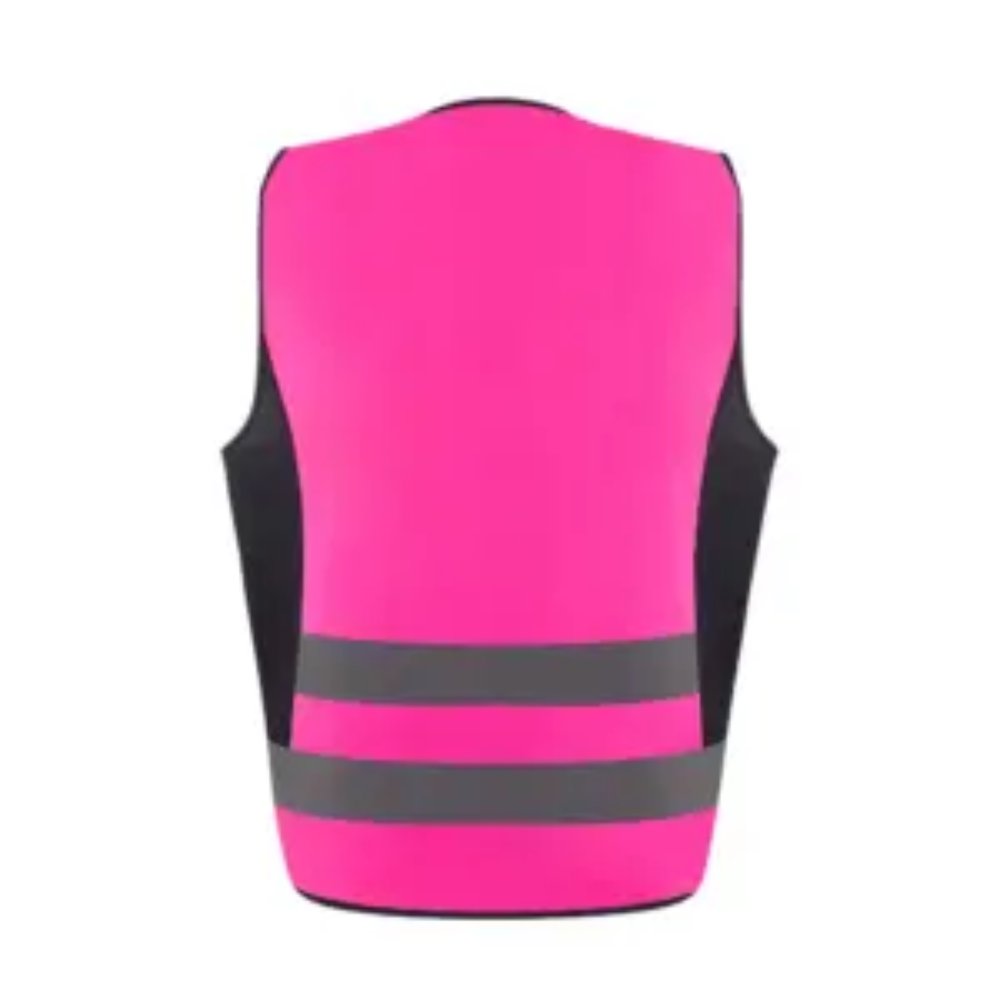
This unfolded rear catalogue view identifies a different garment face; it is not a folded sample or a manufacturer packing instruction.
Request the manufacturer’s proposed packing state
Ask what folding and individual-packing arrangement the supplier proposes for that garment version. Request a sample reference and photographs of the actual proposal. If it offers more than one arrangement, give each proposal its own record so the buyer can compare the relevant samples without mixing details from different options.
Ask the supplier to identify the packing components and contents included in each proposed arrangement. Keep any bag, insert or other unconfirmed item as a question until the supplier has stated its role and inclusion status. A flat garment image does not establish the folded dimensions, packing components or condition in which the quoted vest will be delivered.
Buying field | Requested supplier response
Garment reference | Quoted LB-V29 version and the actual sample size.
Proposal identity | Supplier packing proposal and its sample or revision reference.
Outward panel | Show which garment face is visible in the proposed fold.
Garment states | Identify the zipper and pocket-flap states in that sample.
Sample views | Link the unfolded, folded and proposed packed views.
Release record | Approved scope, unanswered details and replacement references.
Identify the outward panel and garment states
Ask the supplier to show which garment panel faces out in its proposed folded sample. The LB-V29 front and rear catalogue views show different visible features, so a general description such as folded vest leaves that face unclear. Request a marked photograph linking the visible folded face to the identified unfolded garment.
Ask the supplier to state the zipper condition and pocket-flap position used in the proposed sample. These are descriptions of its packing proposal, not instructions to select a different closure or alter the garment. If the photographs hide one of those areas, ask for another view or a clear supplier statement rather than guessing its state.
Ask the supplier to identify the zipper and pocket-flap states in its actual proposed folded sample instead of inferring them from this unfolded front view.
Compare linked folded and unfolded sample views
Request an unfolded view that identifies the actual sample used for the proposal, followed by its folded and proposed packed views. Keep the sample reference with the photographs. If several garments are used to illustrate the arrangement, ask the supplier to identify them and explain any difference relevant to the buyer’s review.
Compare the shown garment version, outward panel and declared zipper and flap states across the record. Ask the supplier to clarify an inconsistent or unreadable detail. The purpose is to identify the proposed packing reference accurately. Photographs of an unfolded vest alone do not demonstrate a fold or confirm a packed sample has been supplied.
Request linked unfolded, folded and proposed packed views of an identified sample; catalogue views do not establish packing availability or performance.
Make any broader size scope a confirmation question
A packing sample represents an identified garment in a particular state. If the order covers additional sizes or versions, ask whether the supplier proposes the same arrangement for them. Request separate references for any changed arrangement instead of assuming one sample covers the complete order range.
Where the buyer needs folded or packed dimensions for a later decision, ask the supplier to identify the sample and state the measurement condition. Keep those values attached to the actual proposal. Do not create a bag size or folded-garment dimension from the catalogue image or an assumed folding sequence.
Release the identified proposal and record changes
A focused request can state: Please identify the folding and individual-pack arrangement you propose for the quoted LB-V29 version and requested sample size. Show the same identified garment unfolded, folded and in the proposed pack. Please mark the outward panel, state the zipper and pocket-flap positions, and identify all proposed packing components.
Keep the supplier’s response, sample views and buyer decision together. Reference the accepted proposal in the order instructions and list any outstanding question separately. If the garment version or packing arrangement changes, request an updated sample record and identify the earlier proposal it replaces. Give the receiving team the same reference for describing an arrival difference.
Request the actual proposed fold and individual pack for an identified LB-V29 sample.
Link the outward panel and declared zipper and flap states to the sample views.
Record the accepted proposal scope and review later packing changes explicitly.
Buyer FAQ
Can the rear catalogue view establish the folded face?
Ask the supplier to show the actual proposed folded sample and identify its outward panel. An unfolded rear view supplies a garment reference, not a folding instruction.
Does one sample approve packing across every size?
Identify the sample size and ask the supplier which other offered sizes or versions the same proposal covers. Keep a changed arrangement under its own reference.
What if the supplier has not supplied a pack proposal?
Keep the requested reference and sample views outstanding. Record the information received without treating an unconfirmed packing arrangement as an approved order detail.
wholesale safety vests B2B supplier sample record