
Vest Materials: Separate Fibre and Fabric Structure
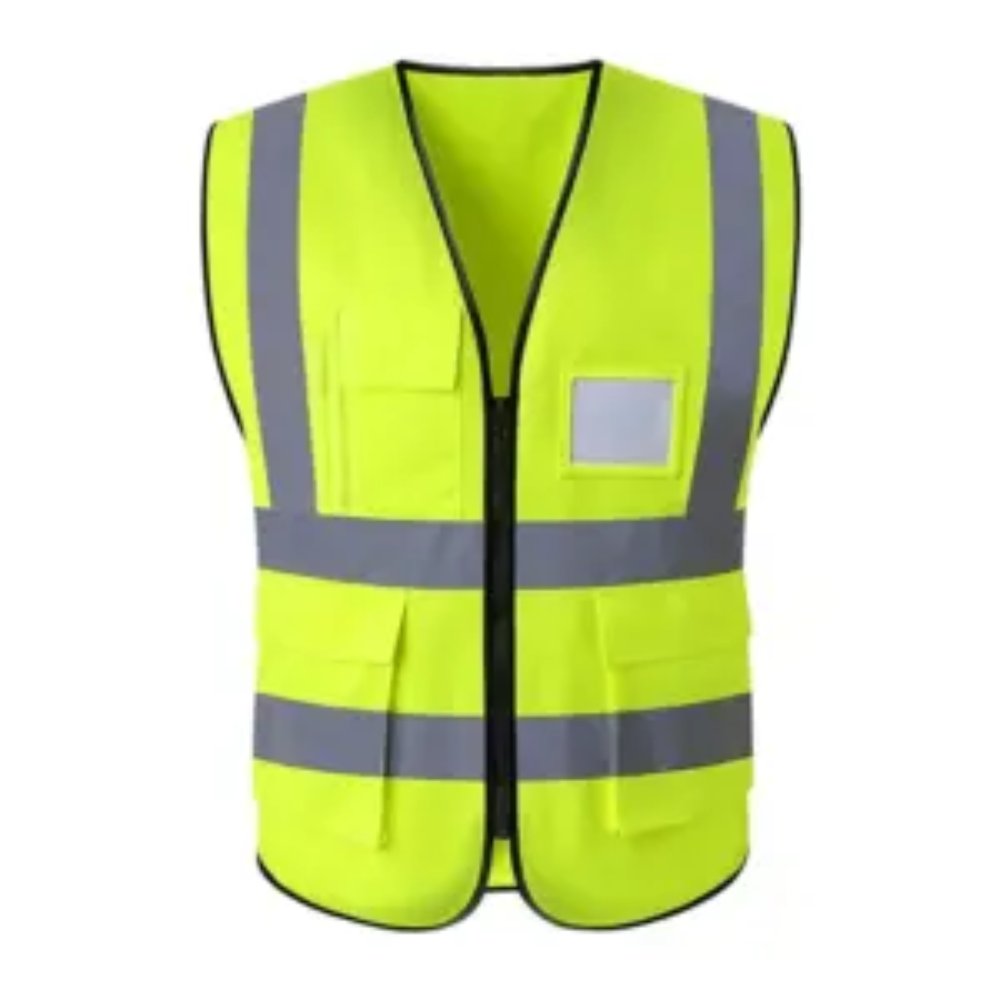
LB-V04 catalogue reference. The retained material wording is 100% polyester knitting; the image does not establish component-by-component fibre content.
For a vest-material RFQ, record the supplier’s fibre-content statement separately from the fabric-description wording, then ask which components each statement covers. Lanbei lists LB-V04 as 100% polyester knitting and LB-V14 as 100% polyester knitting & mesh. Preserve those model-specific entries and request the offered material allocation instead of converting the wording into an invented component recipe.
For buyers of wholesale safety vests, the immediate purchasing task is a clear material record tied to the proposed model and sample. The composition field, fabric description and component locations should remain distinguishable. That gives the supplier a useful question to answer and prevents a short catalogue line from becoming an unsupported statement about every part of the finished vest.
Keep the two model descriptions separate
The LB-V04 product page lists S–5XL, zipper closure, Yellow/Orange and the QUALITY wording 100% polyester knitting. It also names ID, mobile and pen pockets and two solid pockets. These details identify the catalogue model. They do not provide separate material declarations for the body, pocket components, edging, zipper or tape.
The separate LB-V14 product page uses 100% polyester knitting & mesh and lists a zipper closure and multi-function pocket. The additional mesh wording belongs on the LB-V14 record. Ask where the supplier applies it in the offered garment; do not assign it automatically to every panel or transfer it to LB-V04.
Build a material record with distinct fields
Copy the original QUALITY line into the reference record. Then provide separate spaces for the supplier’s declared fibre content, fabric description and component scope. If the supplier uses several fabric names or codes, ask for a short explanation of each and its location on the selected vest. Keep the supplier’s actual response visible alongside the catalogue wording.
Record field
LB-V04 starting point
Response to request
Catalogue wording
100% polyester knitting
Retain the original statement
Fibre declaration
Polyester statement
Which offered fabric or component it covers
Fabric description
Knitting
Supplier fabric name or code and scope
Component location
Not separately mapped
Identify body, pocket and other relevant regions
Comparison model
LB-V14 adds knitting & mesh
Keep its allocation on a separate model record
Approval reference
Selected vest sample
Connect materials to the accepted sample revision
Treat knitting & mesh as retained supplier wording, not as two fibre ingredients with percentages to calculate. Ask the supplier to explain the fabric descriptions and their relationship. The response may require more than one component line, but the buyer should not create missing percentages, fabric weights or construction details from the wording alone.
A second LB-V04 gallery appearance. Keep material answers connected to the actual offered model, colour and sample.
Ask where the declaration applies
Use an identified garment image to ask the supplier which regions share the declared material and which need a separate description. A simple front-and-back component reference can be sufficient for the discussion. Give each relevant region an identifier and request the corresponding material name or code. Add further views only where a material change or concealed component needs explanation.
Keep trims and attachments distinguishable from the main fabric declaration. For example, a polyester statement about the vest fabric should not silently become a composition statement about a zipper, an ID-window component or reflective tape. Ask what the supplier’s declaration includes. This records the offered construction without guessing the material of a visible accessory.
Identify the exact LB model, selected colour and sample revision.
Retain the catalogue QUALITY line without expanding it.
Request material names or codes for the components being specified.
Record the supplier’s explanation of knitting and mesh locations.
Connect the material answer to the sample
Ask the supplier to identify the sample represented by the material response. Keep its model, colour reference and revision date with the component record. If an offered fabric changes during quotation or sampling, request an updated response for the affected component rather than leaving the earlier declaration attached to a different proposal.
The catalogue pictures help identify the models and visible arrangement. They do not determine fibre percentages or establish a protective result. Any required protective performance, certification or other evidence must be evaluated separately for the actual offered garment. This article’s material record does not assign a safety class or establish suitability for a particular workplace.
Separate LB-V14 reference: its catalogue says 100% polyester knitting & mesh. Request the supplier’s component allocation rather than copying LB-V04 wording.
Use the confirmed record in the RFQ
A concise request is: Please quote the selected LB-V04 version and confirm the scope of the catalogue statement 100% polyester knitting. Identify the relevant fabric or component codes, note any separate materials, and link your response to the proposed sample. If offering LB-V14 as an alternative, provide its knitting-and-mesh allocation on a separate model line.
Retain the supplier reply with the quotation and sample decision. Purchasing should be able to distinguish an unchanged material offer from an alternative proposal, while receiving should find the same model and revision reference. Keep quantity, availability and commercial terms as separate enquiry fields; a clear material declaration does not itself establish an order minimum, delivery promise or stock position.
Frequently asked questions
Does 100% polyester knitting describe every vest component?
The retained page does not provide that component-level scope. Ask the supplier which offered fabric or regions the statement covers and identify separate materials where relevant.
Does knitting & mesh give two material percentages?
No percentages for those descriptions are supplied. Request the supplier’s fabric explanation and component allocation without inventing a numerical split.
Can the material wording establish a protective class?
No. Keep material identification separate from any protective-performance or certification evidence required for the actual offered garment.
vest material RFQcomponent declarationLB-V04 and LB-V14